


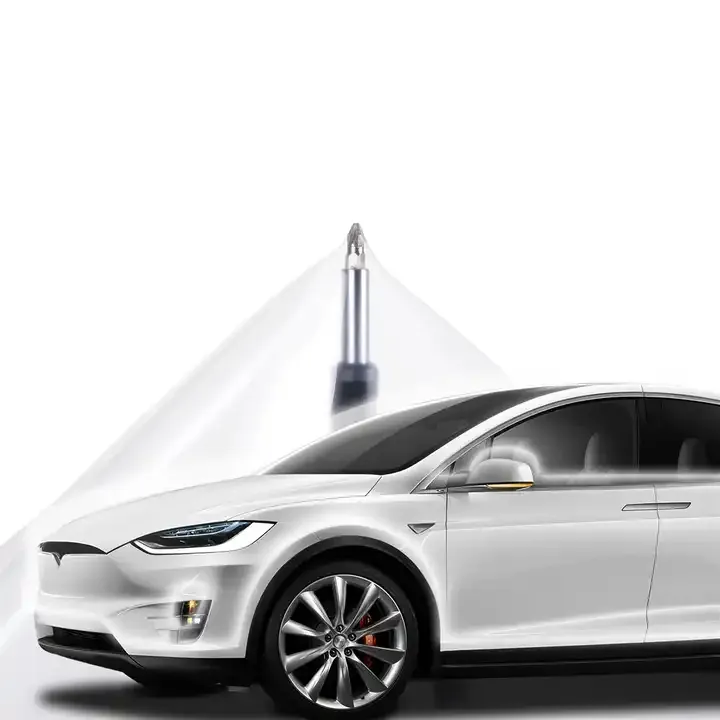
TPU Paint Protective Film-factory
Leonardo Materials Technology (Shenzhen) Co., Ltd.: Your Trustworthy TPU Paint Protective Film Manufacturer!
Leonardo Materials Technology (Shenzhen) Co. , Ltd. is a company founded in 2019.The factory covers an area of 3600 ㎡. Main products car paint protection film. We own the independent intellectual property rights of TPU invention patents and key material core technologies, and our product performance complies with REACH, RoHS certification and ISO quality requirements.
Rich Product Variety
Our company can produce TPU paint protection film, automotive paint protection film, invisible paint protection film, invisible paint protection film, transparent film paint protection film and so on.
Quality Guaranteed
Our products have independent intellectual property rights of TPU invention patents and key material core technologies, and product performance meets REACH, RoHS certification and ISO quality requirements.
Wide Range of Uses
Our TPU paint protection film is widely used to protect the paint of vehicles from scratches, wear, UV rays and other environmental hazards. It can be applied to the entire body or specific areas such as the hood, rearview mirror and bumper.
Leading Service
We have many years of industry experience and a complete production management, quality supervision and sales service operation system. Whether you want to buy TPU paint protection film or invisible paint protection film, just send your needs by email and we can customize the product for you.

Automotive Paint Protective Film
Automotive Paint Protective Film (PPF), also known as clear bra or invisible shield, is a thin laminate film applied to the painted surfaces of an automobile to protect it from various environmental elements and physical damage.

Car Paint Protection Films (PPF), also referred to as clear bras, are high-quality, self-healing films designed to protect the exterior of automobiles from a variety of potential damages. These films are made from urethane, a durable and flexible material that provides a barrier between the car's paint and external elements.

Automobile Paint Protection Film
Automobile Paint Protection Film (PPF), also known as clear bra or invisible shield, is a thin laminate film applied to the painted surfaces of a vehicle to protect it from various environmental elements and physical damage. This film is typically made from high-quality urethane, chosen for its durability, flexibility, and self-healing properties. cepteur sint occaecat

Auto Paint Protective Film (PPF) is a transparent thermoplastic urethane film that is applied to the exterior of a vehicle to protect its paintwork from scratches, dings, abrasions, and weathering. The film serves as a shield against road grime, stones, bug splatters, and tree sap, among other potential contaminants and hazards that can cause damage to a vehicle's finish over time.
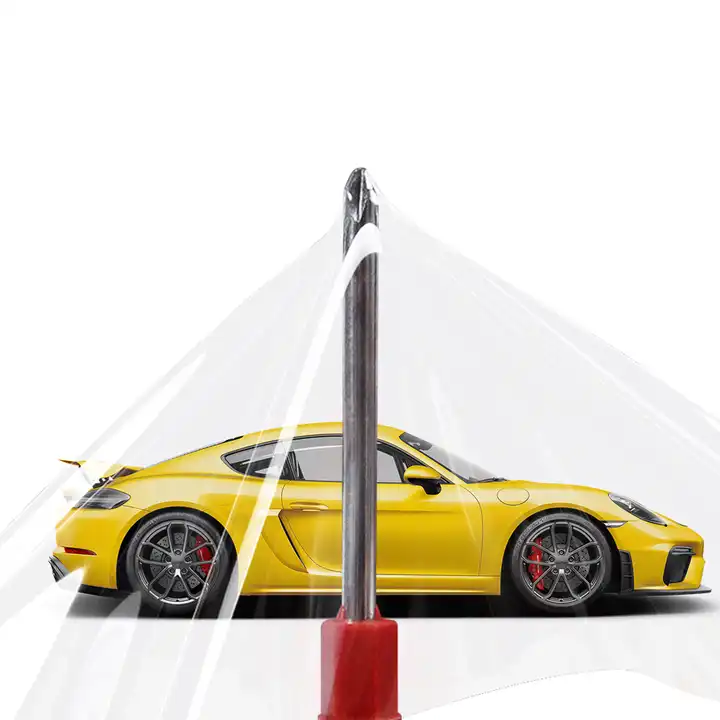
Invisible Paint Protection Film
Invisible Paint Protection Film, commonly referred to as PPF (Paint Protection Film), is a clear, thin urethane film designed to protect the painted surfaces of vehicles from scratches, dings, abrasions, and staining. The film is applied to areas of the car that are most vulnerable to damage, such as the hood, bumper, fenders, mirrors, and doors.

Car Paint Protective Film (PPF) is a high-grade, self-healing urethane wrap that is applied to the painted surfaces of a vehicle to protect against scratches, dings, rock chips, and environmental contaminants like acid rain, bird droppings, and UV rays. The film is engineered to absorb the impact from small debris and has the ability to self-repair minor scratches through a process called thermal reversion, where the material flows back together to smooth out the imperfections upon exposure to heat.

Stealth Paint Protection Film (PPF) is a type of advanced automotive film that offers discreet protection to the painted surfaces of a vehicle. Unlike traditional PPF, which may have a slight shine or gloss, stealth PPF is formulated to have a matte finish that closely matches the textured look of a vehicle's paint, making it almost undetectable once applied.

Clear Film Paint Protection, commonly known as Paint Protection Film (PPF), is a transparent, thin urethane film applied to the painted surfaces of a vehicle to protect against scratches, dings, abrasions, and environmental contaminants like acid rain, bird droppings, and UV rays. The film is engineered to absorb the impact from small debris and has the ability to self-repair minor scratches through a process called thermal reversion, where the material flows back together to smooth out the imperfections upon exposure to heat.

Lead Paint Protection Film Manufacturer For You
Leonardo Setting Quality Standards For PPF
Your ally in auto protection, Tailored for top-notch auto care.
Select the top raw materials like coversto and WANHUA.
Production capacity of the base film is 3 million ㎡, Core independent innovation and development capabilities.
What is TPU Paint Protective Film
Thermoplastic polyurethane (TPU) is an essential ingredient in paint protection film (PPF), capable of producing PPF that can provide premium protection, without yellowing or degrading, for more than a decade.
Features of TPU Paint Protective Film
Clarity and Gloss
TPU Paint Protective Film boast exceptional clarity, allowing the vehicle's paint color and finish to shine through. This feature is particularly appealing to car enthusiasts who want to showcase their vehicle's aesthetics.
Self-Healing Properties
One of the standout features of TPU Paint Protective Film is its self-healing capability. Minor scratches and swirl marks on the film can magically disappear when exposed to heat, such as sunlight or warm water. This property ensures that your vehicle remains free from unsightly blemishes.
Flexibility
TPU Paint Protective Film is highly flexible, making it easier to apply on curved surfaces, complex contours, and sharp edges. This flexibility contributes to a seamless appearance once the film is installed.
Durability
TPU Paint Protective Film is engineered to withstand harsh environmental conditions. They provide robust protection against rock chips, insect splatters, bird droppings, and UV rays, helping to maintain your vehicle's resale value.
Difference Between TPU and TPH Paint Protective Film
TPU is a type of thermoplastic polyurethane that has outstanding physical properties and chemical stability. It is a well-established environmentally friendly material. On the other hand, TPH enhances the flexibility of traditional materials by incorporating plasticizers.
TPU possesses excellent toughness and a robust thermal repair capability. On the other hand, TPH is fragile during usage, lacks sufficient protection ability, and the adhesive layer chosen is prone to detachment. Consequently, this may result in offset printing or adhesive residue on the painted surface.
TPU typically lasts for a duration of 5-10 years, while TPH has a shorter lifespan of 3-5 years.
The TPU material used in the PPF exhibits excellent flexibility, making it highly resistant to manual breakage. Moreover, it showcases an impressive stretching rebound effect. Conversely, the TPH material used in PPF lacks malleability and can easily be broken by hand.
TPU-based PPFs may develop scratches, but as long as they are not severely damaged, due to its self healing properties these scratches can be repaired automatically or cured using hot air gun. On the other hand, TPH Paint Protective Film primarily depend on their hardness to withstand scratches. However, if scratches occur on vehicles, they will need to be replaced.
Quality of the Material: Look for high-grade TPU (Thermoplastic Polyurethane) film, which is known for its superior durability, elasticity, and resistance to punctures compared to traditional PVC (Polyvinyl Chloride) films. TPU is also more likely to self-heal from light scratches.
Thickness: The thickness of the film affects its protective properties and pricing. A thicker film generally offers better protection but can also be more noticeable and may cost more. Common thicknesses range from 8 mils to 10 mils for cars.
Surface Texture: Consider if you want a glossy or matte finish. High-quality TPU films can be manufactured to mimic either finish and still maintain transparency.
Self-Healing Ability: Check the self-healing properties of the film. Good TPU PPF should be able to heal itself from minor scratches and abrasions when exposed to heat.
Yellowing Resistance: High-quality TPU films are less likely to yellow over time when exposed to UV light, ensuring that the protective film remains clear for longer.
How to Maintain TPU Paint Protective Film
Apply a Quality TPU Paint Protective Film sealant
TPU Paint Protective Film sealants are designed to enhance the finish and durability of the film. A good-quality sealant, creates a slick, hydrophobic surface, ensuring contaminants slide off the film more easily.
Use Soft, Non-Abrasive Detailing Tools
Use soft, plush microfiber towels and non-abrasive sponges when detailing your TPU Paint Protective Film. Abrasive materials can scratch or damage the film's surface, diminishing its appearance and effectiveness.
Remove Scratches With a TPU Paint Protective Film-Specific Polish
If you notice minor scratches on your TPU Paint Protective Film, use a polish specifically designed for paint protection films to remove them. Apply the polish carefully and sparingly, following the manufacturer's instructions.
Pay Attention to Film Edges
Film edges can lift or curl over time, potentially leading to damage or peeling of the film. Keep an eye on these areas, gently pressing down any lifted edges with a clean, dry finger during detailing.
Frequently Asked Questions
Hot Tags: tpu paint protective film-factory, China tpu paint protective film-factory manufacturers, suppliers, factory
Previous
No InformationYou Might Also Like



Send Inquiry