


Automotive Paint Protection Film
Leonardo Materials Technology (Shenzhen) Co., Ltd.: Your Trustworthy Automotive Paint Protection Film Manufacturer!
Leonardo Materials Technology (Shenzhen) Co. , Ltd. is a company founded in 2019.The factory covers an area of 3600 ㎡. Main products car paint protection film. We own the independent intellectual property rights of TPU invention patents and key material core technologies, and our product performance complies with REACH, RoHS certification and ISO quality requirements.
Rich Product Variety
Our company can produce TPU paint protection film, automotive paint protection film, invisible paint protection film, invisible paint protection film, transparent film paint protection film and so on.
Quality Guaranteed
Our products have independent intellectual property rights of TPU invention patents and key material core technologies, and product performance meets REACH, RoHS certification and ISO quality requirements.
Wide Range of Uses
Our TPU paint protection film is widely used to protect the paint of vehicles from scratches, wear, UV rays and other environmental hazards. It can be applied to the entire body or specific areas such as the hood, rearview mirror and bumper.
Leading Service
We have many years of industry experience and a complete production management, quality supervision and sales service operation system. Whether you want to buy TPU paint protection film or invisible paint protection film, just send your needs by email and we can customize the product for you.
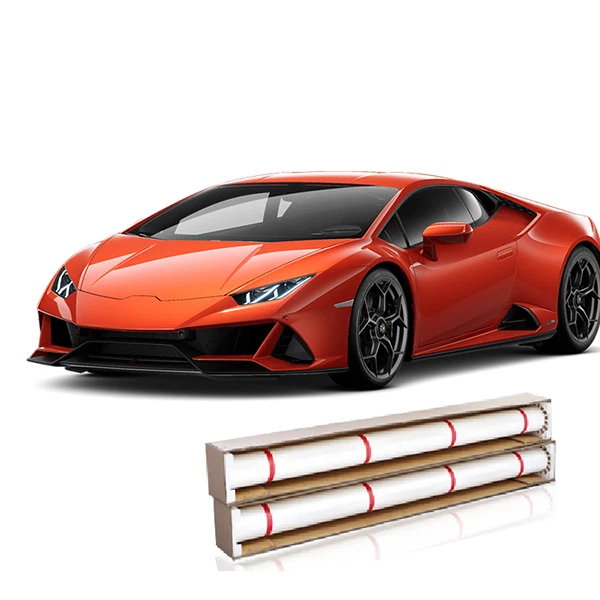
Car Paint Protection Film (CPPF), also known as clear bra or paint protection film, is a thin, transparent urethane film applied to the exterior painted surfaces of a vehicle to protect it from various environmental hazards. This film is typically made from thermoplastic polyurethane (TPU) or polyvinyl chloride (PVC) and is engineered to absorb and dissipate the impact from small stones, road debris, insects, and other abrasive elements that can cause scratches, dings, and chips in the car's paint.
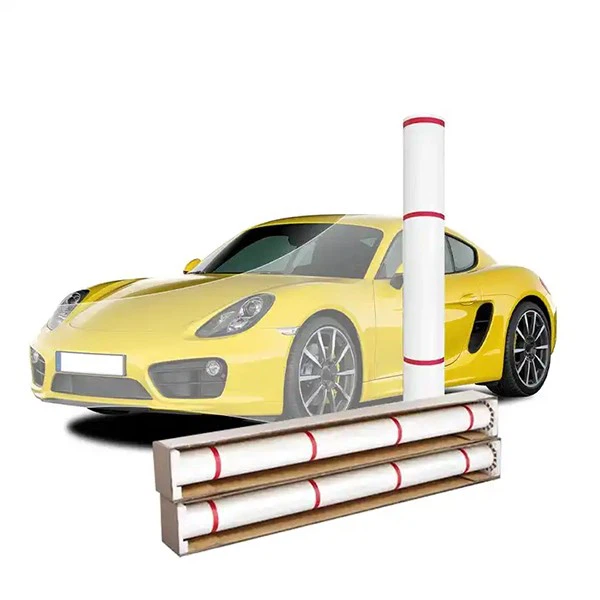
Gloss Paint Protection Film (GPPF) is a specialized type of automotive film designed to provide a high-gloss finish while protecting the car's original paint from damage. This film is made from high-quality urethane, usually thermoplastic polyurethane (TPU), which offers excellent durability, elasticity, and self-healing properties.
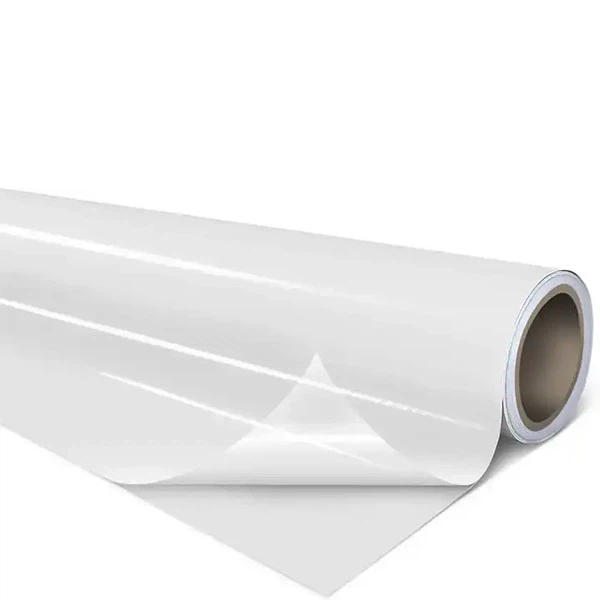
Car Paint Protective Film, commonly known as CPPF, is a thin, transparent urethane film applied to the exterior painted surfaces of a vehicle to protect it from various environmental hazards. This film is typically made from thermoplastic polyurethane (TPU) or polyvinyl chloride (PVC) and is engineered to absorb and dissipate the impact from small stones, road debris, insects, and other abrasive elements that can cause scratches, dings, and chips in the car's paint.
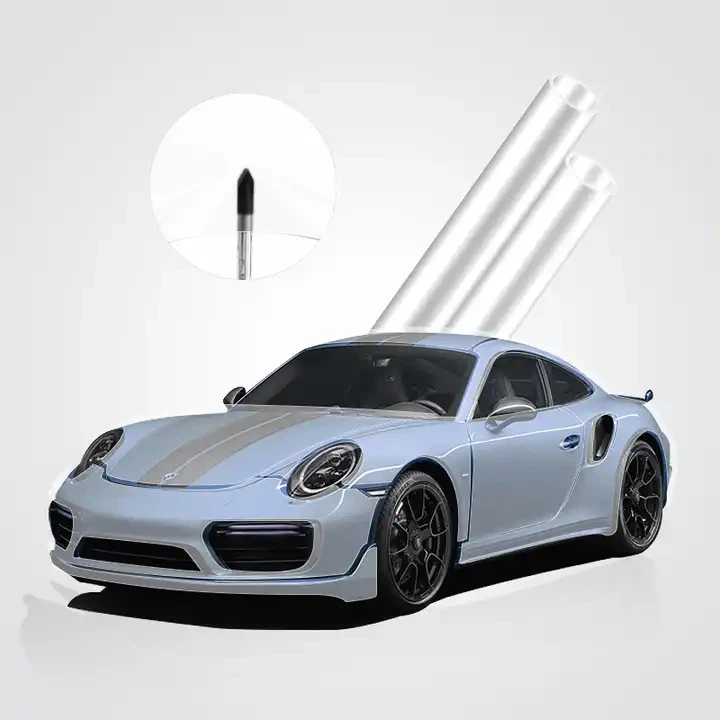
Invisible Paint Protection Film
Invisible Paint Protection Film, commonly referred to as IPPF, is a clear, thin, and self-adhesive urethane film designed to be applied to the painted surfaces of automobiles to protect them from damage.
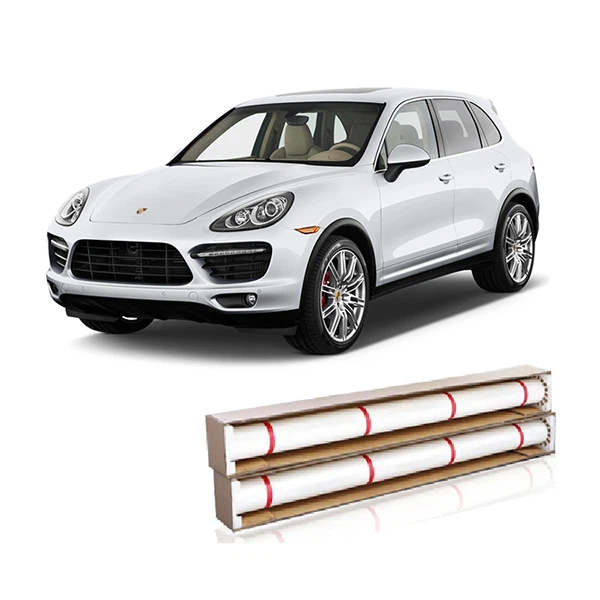
Transparent Car Paint Protection Film
Transparent Car Paint Protection Film, commonly referred to by its acronym PPF (Paint Protection Film), is a clear, self-healing film designed to be applied to the painted surfaces of vehicles to protect them from damage. The film is made from high-quality urethane, usually thermoplastic polyurethane (TPU), which offers excellent durability, elasticity, and self-healing properties.
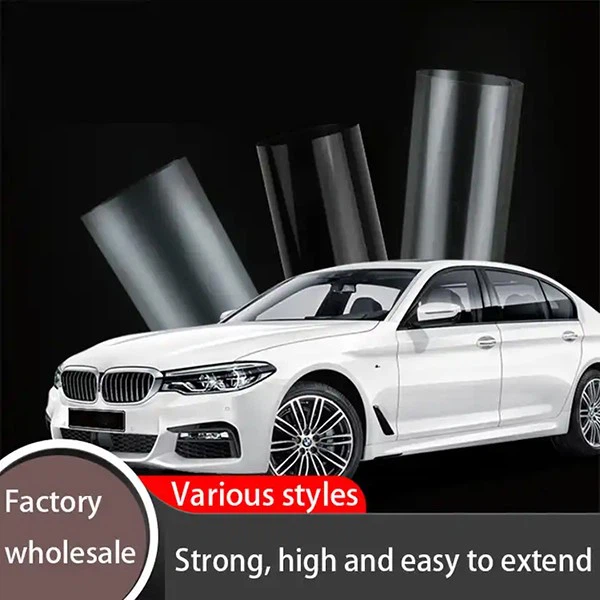
Clear Car Paint Protection Film
Clear Car Paint Protection Film (CPPF) is an advanced protective coating applied to the exterior of a vehicle to safeguard its paintwork from physical damage and environmental contaminants. Manufactured from high-grade urethane, particularly thermoplastic polyurethane (TPU), this film is engineered to provide a transparent barrier that clings to the car's surface, effectively sealing the paint beneath it.
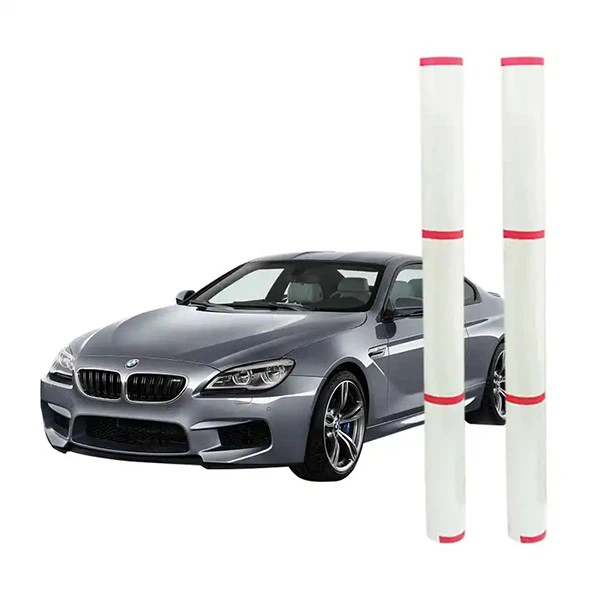
Clear Auto Paint Protection Film
Clear Auto Paint Protection Film (CPPF) is a transparent, durable film designed to protect the paint on cars from damage caused by various external factors. Made from materials like urethane, particularly thermoplastic polyurethane (TPU), this film adheres to the car's surface and acts as a shield against rocks, gravel, road debris, insects, and UV rays.
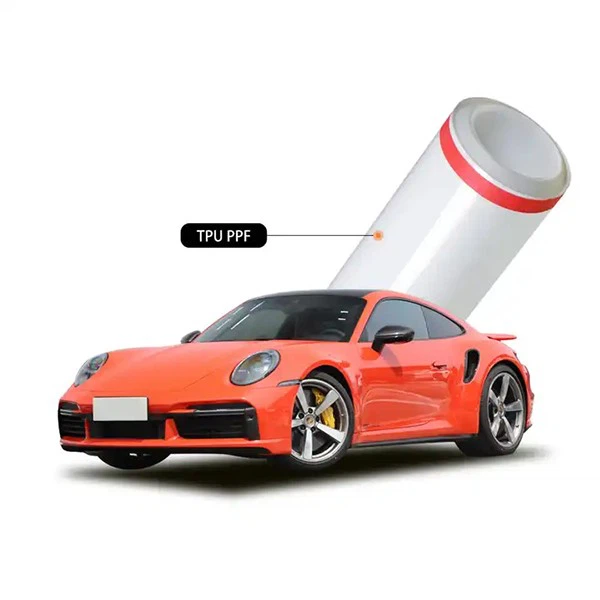
Car Paint Film Protection, commonly known as Paint Protection Film (PPF), is a thin, transparent film applied to the painted surfaces of a vehicle to protect it from scratches, dings, stone chips, and other types of abrasions. This film is made from high-grade urethane, particularly thermoplastic polyurethane (TPU), which provides excellent durability and resistance to degradation caused by UV rays, oils, and chemicals.

Paint Protective Film (PPF) is a thin, flexible, and transparent layer designed to protect the painted surfaces of vehicles from various forms of damage. It's made from high-grade urethane, often thermoplastic polyurethane (TPU), which offers several beneficial properties.
What is Automotive Paint Protection Film
Automotive Paint Protection Film is a thermoplastic urethane often self-healing film applied to painted surfaces of a new or used car in order to protect the paint from stone chips, bug splatters, and minor abrasions. This film is also used on airplanes, RVs, cell phones, electronics, screens, motorcycles, and many other areas.
Features of Automotive Paint Protection Film
Protects Against Fading
In addition to rain and snow, exposure to sunlight can also cause the paint job on your car to fade, resulting in a lackluster and dull appearance. Furthermore, if the car is exposed to uneven sunlight, it can result in different shades of paint and may require repainting. Automotive Paint Protection Film, due to its unique chemical properties, acts as a barrier against harmful UV rays, effectively preventing fading. Protective films serve the purpose of keeping your paint free from dings, scratches, or chips.
Prevents Chemical Damage
Roads are treated with sand and salt in order to melt ice and snow. However, these chemicals can be damaging to the paintwork and other components of your vehicle. This can result in chipping, which then allows rust to develop over time. Automotive Paint Protection Film provides a safeguard against these chemical agents, as well as protecting the car from the corrosive effects of acidic bird droppings or acid rain. As a result, the car maintains its appearance for a longer period of time.
Types of Automotive Paint Protection Film
Polyurethane
Polyurethane is a plastic-type commonly used in automotive paint protection films. It provides a durable and flexible layer of protection against damage such as scratches, stone chips, and other debris. The film also helps to protect the paint from fading due to sun exposure.
Polyvinyl Chloride
Polyvinyl Chloride (PVC) is a type of plastic that is commonly used as a base material in automotive paint protection films. It provides a durable barrier against dirt, stones, and other debris that could damage the car's paint job. PVC offers excellent UV protection and is resistant to water, oil, grease, and chemicals.
Solvent-Based Systems
Solvent-based systems are a type of automotive paint protection film that uses solvents as the base material. The solvent helps to create a strong bond between the film and the vehicle's surface, making it more durable and resistant to damage from environmental elements such as UV rays and road debris.
Thermoplastic Urethane
Thermoplastic urethane (TPU) is a type of plastic used in automotive paint protection films. It is a highly elastic and flexible material, making it an ideal choice for protecting the paint from scratches and other damage caused by road debris. TPU also has excellent resistance to UV light, heat, and chemicals so it can protect the car's finish for many years.
Water-Based Systems
Water-Based Systems are a type of automotive paint protection film that is applied using a water-based adhesive. This type of paint protection film allows for easier installation, as it does not require any solvents or chemicals for application. It also provides excellent clarity, flexibility, and durability over time. Water-Based Systems generally last up to 7 years and offer superior UV resistance compared to traditional films.
Self-Healing
Self-healing paint protection film is a type of polyurethane film that can repair minor scratches and swirl marks on its own without any human intervention. This is possible because of a unique top coat with memory properties, allowing it to reform and heal within minutes of being scratched or scuffed. The self-healing properties are due to the material's elasticity, which enables it to expand or contract when heat or pressure is applied, restoring its original shape and condition.
How to Choose Automotive Paint Protection Film
Durability
Look for a Automotive Paint Protection Film that offers excellent durability to withstand various environmental conditions and potential impacts. A durable film that covers multiple layers will provide prolonged protection without needing frequent replacements.
Protection Against UV Light
Ensure that the Automotive Paint Protection Film you select provides effective protection against harmful ultraviolet (UV) rays. UV rays can cause fading and discoloration over time, so having UV-blocking properties is essential to maintaining the appearance of your car.
Capabilities and Self-Healing Ability
Automotive Paint Protection Film have properties where minor scratches or swirl marks can be naturally repaired through exposure to heat or by rubbing the affected area gently. This self-repair capability can help keep your car looking flawless with minimal effort.
Wash Your Car
In order to maintain the quality of your Automotive Paint Protection Film, you need to wash it regularly. If you have a home sprayer that attaches to your garden hose, this is an ideal tool for washing underneath and behind the film. In addition, be sure to use a separate bucket and wash mitt or sponge so as not to re-contaminate the film's surface.
Polish Your Automotive Paint Protection Film
When you notice that there are some small marks or scratches on the film, it is time to use a cleaner wax and wipe away these blemishes. There are many types of products that work very well, so you need to experiment to find the one that will maintain the quality of your car's paint protection film.
Use Bug and Tar Removal Products on Your Car
If you notice bugs or road tar, be sure to use a gentle bug and tar remover. These chemicals are okay for paint protection film, but if you have untreated clear bra film, it could potentially damage the material. If there is some acid nitro orange on your Automotive Paint Protection Film, spray some simple green and wait a few minutes. Then wipe it away with the blade of a squeegee.
Replace the Film if There are Any Bubbles
Before you apply Automotive Paint Protection Film on your vehicle, you need to pay close attention and make sure that it is properly installed with no bubbles present in the film. If this happens, it usually means that the surface has not been prepped properly prior to the application of the film. For this reason, go back and make sure that your car is properly washed before applying the film to its surface.
Maintain Your Paint Protection Film Regularly
You should continue to keep your car's Automotive Paint Protection Film clean by washing it once every 3 months professionally. By doing so, you will ensure that any debris or contaminants are removed before they can potentially cause damage.
Frequently Asked Questions
Hot Tags: automotive paint protection film, China automotive paint protection film manufacturers, suppliers, factory
You Might Also Like



Send Inquiry