

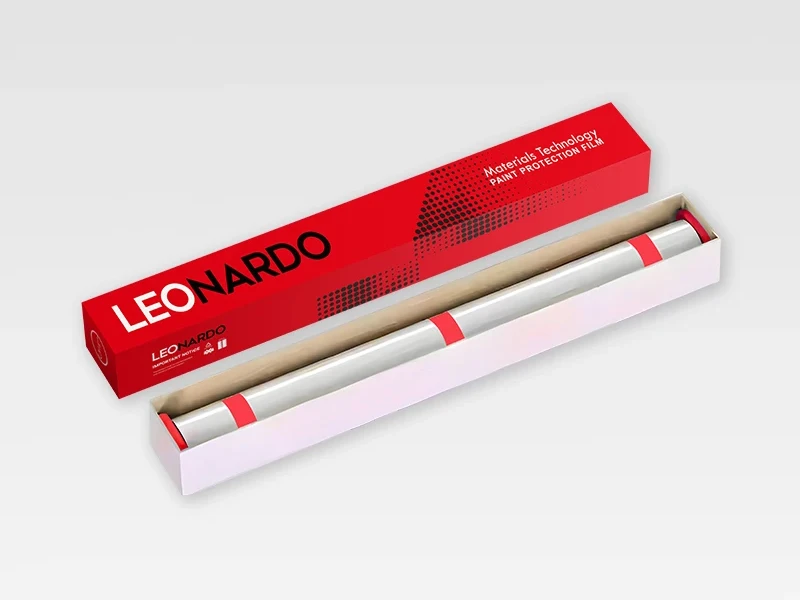
I. How long can the paint protection film be used?
The normal service life of paint protection film (PPF) is usually 5 to 10 years, the specific service life is closely related to the product material, the use of the environment and maintenance methods. The mainstream TPU material protection film on the market has stronger yellowing resistance and scratch repair performance, generally can reach more than 8 years of service life, some high-end brands in the experimental environment can even maintain more than 10 years. The PVC material product life is relatively short, generally 2 to 5 years. In actual use, ultraviolet intensity, acid rain corrosion, frequent cuts and other environmental factors will accelerate the coating aging, improper car wash or contact with strong acid and alkaline substances may also shorten the life. It is recommended to choose high quality products that have passed international certification, and cooperate with regular professional maintenance, which can maximise the protection cycle.
II. Key factors affecting the life of PPF
1. Thickness of the film
The thickness of the film is in direct proportion to its durability and protection. Thicker PPF, in general, is more durable against damage caused by stones and scratches. While the film is at its best when new, it may be undermined by outside elements and issues like fading and aging if used for a very long time. Thus, a film that is average in terms of thickness has to be selected. The regular thickness of PPF is 6-8 mil (1 mil = 0.0254mm).
2. Installation techniques
PPF life relies on the quality of installation. The membrane should be installed properly to prevent issues such as air bubbles, wrinkles, and uneven edge that can severely compromise the protective function of the membrane. Installation temperature, humidity, and surface cleanliness can compromise the adhesive of the membrane and membrane life. Professional installation delivers long life for PPF.
3. Driving habits
Driving habits are one of the most important factors affecting the life of PPF. Frequent high-speed driving, high-intensity scraping, and collision with objects when parking will accelerate the wear and tear of PPF. Especially driving on uneven roads or under extreme weather conditions will increase the pressure on the film and reduce its service life. Maintaining gentle driving habits and avoiding collisions and scrapes can effectively extend the life of PPF.
4. Environmental factors
Temperature, climate, intensity of UV rays, the effects of air pollutants, and the like are environmental factors that can have a negative impact on PPF. In addition, UV rays can cause the membrane material to age, discolour and embrittle, particularly in high sunlight areas; the environment of high temperature can promote the accelerated hardening cracking of the membrane; high humidity, rain and acid rain can corrode the surface of the membrane and reduce the damage resistance. So, don't park in the sun and try to find a cool place or a shady one, especially if you're going to be parked for a long time.
5. Cleaning and maintenance
Regular cleaning and maintenance PPF needs regular cleaning and maintenance to ensure optimum protection. Regular washing of the car surface and the valve and membrane membrane surface cleans the surface of the vehicle and removes contaminants oils, dirt, tree resin, etc that will corrode or damage the membrane parts in job close attached to the car body in case of long-term adhesion. Also, do not use strong acid and alkaline cleaners, it is better to choose the case of specific PPF cleaners so as not to cause chemical damage to the membrane. Timely surface maintenance can significantly increase the lifespan of the membrane.
6. Quality of membranes
Different manufacturers and quality and thus, the service life of PPF films varies. The high-quality PPF membrane generally has a stronger self-repairing ability, UV resistance, scratch resistance and so on, which can effectively extend the use time of the PPF membrane. When buying, pay attention to choosing a device of a more famous brand, and before buying, be sure to find out if the membrane's production process and materials meet the standards.
7. Types of membranes
There are different types of PPF films available in the market, such as transparent films and matte films, etc. Different types of films will have different durability performances. Transparent films are generally more popular, but matte or colored films will be more likely to be scratched or damaged due to their special surface treatments, which will affect their lifespan. Therefore, when choosing the film type, its durability and usable environment should also be considered.
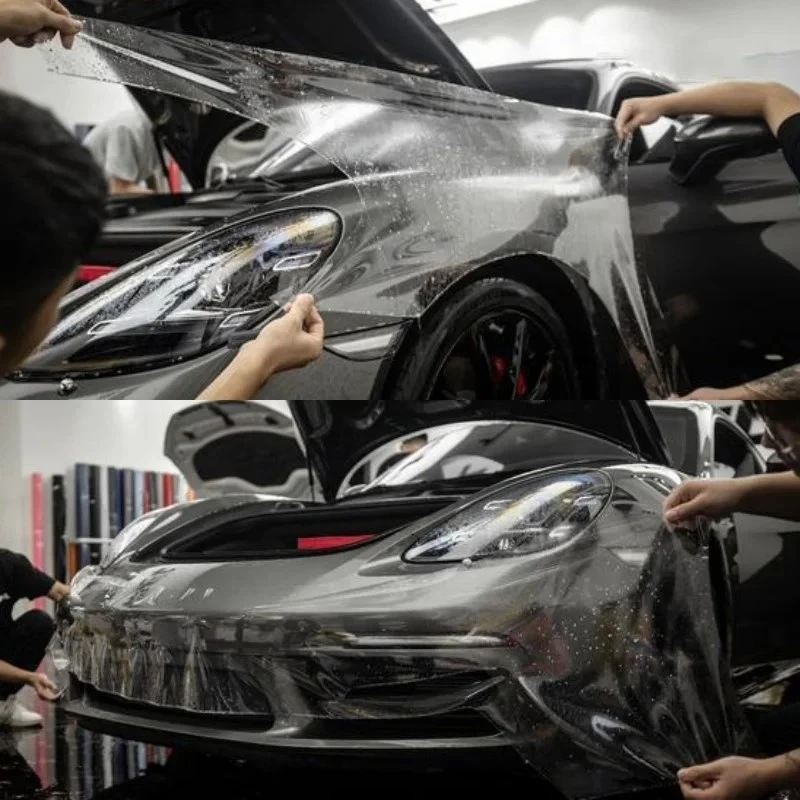
III. Signals for replacing paint protection film
The timing of replacing your paint protection film (PPF) is an important part of a vehicle owner's efforts to maintain the appearance of their vehicle. Here are some common signs that PPF replacement needs to be considered:
1. Yellowing or discolouration
One of the primary purposes of PPF is to UV light protect the paintwork, yet if film is exposed to direct sunlight for a very prolonged period or installed in hot weather, the film will discolour or bleach from UV exposure. The moment the film exhibits noticeable yellowing, not only is the aesthetics changed but also the fact that the UV resistance of the film has significantly been lost. It is then advisable to have the PPF replaced so that it can continue to protect the car's paintwork effectively.
2. Oxidation or hardening
With the passage of time, PPF membranes begin to oxidize as a result of weathering, temperature change or excessive use and tear and wear, and the membrane surface will not remain smooth and shiny but will be brittle or rough instead. Hardening will cause the membrane to lose the initial flexibility and self-healing characteristics of the membrane and even cause cracking and peeling off. Hence, the moment you become aware that the membrane starts oxidizing or hardening, you need to replace it at the earliest.
3. Warping or peeling
The adhesion of PPF installation is paramount to its longevity. If the edges of the film are peeling, buckling or cracking, then it is a sign that the adhesion of the film to paintwork has deteriorated and it is no longer in a position to provide sufficient protection. It most often occurs after the membrane has been installed wrongly or after prolonged exposure to outside friction. If the film is curled or creased at the edges, it will be replaced to prevent moisture, dust, etc. from getting trapped under the film and damaging the paint.
4. Blistering or bubbling
Bubbling is usually caused by the introduction of air or moisture entrapment during the installation of the membrane, or by extreme external forces on the surface of the membrane, e.g., heat or chemicals. Bubbles not only impact the look, but can also cause a decrease in the protective function of the membrane. If the bubbles spread over a wide surface area, particularly if they cannot be drained on their own, then the membrane has lost its natural function and requires replacement at once.
5. Significant damage or lacerations
The most common forms of damage to PPF membranes are scratches and impacts, but in the case of larger tears, cuts, or severe localised damage, these cannot be repaired. While many PPFs are self-repairing, the film's ability to self-repair is limited for larger physical damage. For severely damaged PPF, immediate replacement is the best option to ensure that your car's paint is fully protected.
6. Surface is no longer self-healing
One of the most important characteristics of PPF is its self-healing ability, which can heal small scratches and marks automatically. Nevertheless, the self-healing ability of the film will be lost over time as the film ages or is utilized for a longer time. Especially with membranes subjected to long term ageing and warm environmental conditions, should the self-healing functionality become irreversibly lost, then the replacement of the membrane would need to be considered in an attempt to avert ongoing protection failure.
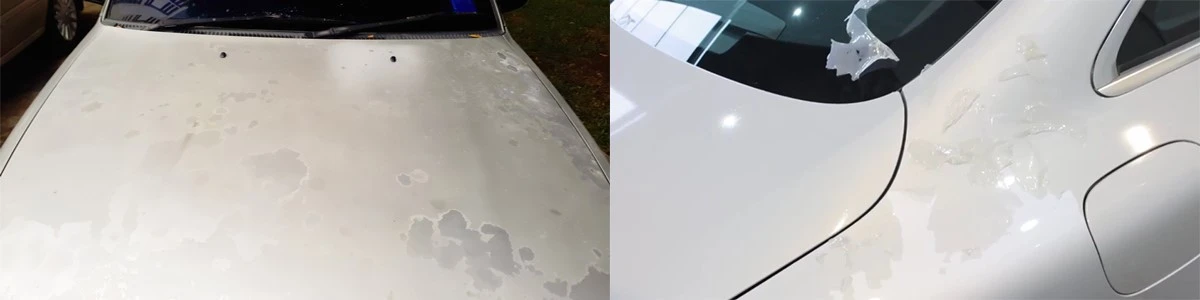
7. Localised discolouration or delamination
If there is irregular discolouration or peeling of part of the PPF, this may be a sign of a defect between the film and car paint. If these localized defects are not addressed for a considerable period of time, this might lead to an overall failure of the membrane, which would invalidate the paint protection. If peeling or discolouration is widespread, the film will need to be replaced.
When the PPF should be replaced is mostly based on whether or not the protective action of the film is still in the position to be done effectively. When the film becomes yellowish in color, when it has undergone oxidisation, warping, blistering, tearing and other problems, that is, its protective action has diminished significantly and should be replaced in due time. Regular checking of the state of the film and prompt replacement of rotten film can ensure that the paint is always well protected and prolong the service life of the vehicle's appearance.
IV. How to extend the life of PPF
The key to prolonging the life of paint protection film (PPF) is good maintenance and reasonable use. Here are some effective maintenance measures that can help you extend the life of PPF:
1. Regular cleaning
Daily PPF surface washing not only keeps the membrane clean, but also prevents stains, grease and dirt from sticking in the long run. Gently washing the membrane surface with a soft-bristled brush and mild car cleaner, without hard brushes or sharp things to scratch the membrane surface, is recommended. In addition, regular washing with water prevents debris and dirt from sticking and prevents wear and tear on the membrane surface.
2. Do not clean membrane edges with high-pressure water jets directly
When washing a vehicle using a water gun with a high-pressure nozzle, never shoot the water stream at the borders of the PPF film membrane. The water jet will thrust itself between the car paint and the membrane, and the membrane gets buckled or peeled around the borders. Prevent film damage by applying a low-pressure water gun or a soft water spray, and take utmost care along the edges of the film.
3. Do not leave in direct sunlight for a prolonged period
UV rays are the main culprit of degradation, discoloration, and hardening of PPF films. To avoid excessive damage due to UV rays, you can park your vehicle in the garage or shade to avoid direct exposure to intense sunlight. If you absolutely must park outdoors, you can use a car cover or awning to avoid direct sunlight.
4. Avoid contact with strong acids, bases or chemicals
The surfaces of PPF membranes should be protected from corrosive acids, alkaline detergents and other corrosive chemicals such as solvents and paint thinners. The chemicals will damage the structure and protective coating of the membrane, resulting in surface damage, wear, or surface brittleness. During cleaning, use cleaners designed for PPF and do not use cleaners that contain solvents or high alkaline levels.
5. Prevent scratches and violent collisions with hard objects
Make an effort to prevent rubbing or bumping the PPF surface against hard objects. As much as PPF has a level of scratch resistance, the film can still be scratched by sharp objects or very strong impacts. When parking, be cautious to maintain some distance from the surrounding objects in order to prevent scratching and collision.
6. Regularly check the condition of the membrane
Regularly check the surface of PPF for blistering, warping, damage and other problems. Early detection and treatment of these problems can effectively prevent further expansion of damage and extend the service life of the membrane. If the membrane is found to have problems, repair or replace part of the area in time to avoid affecting the overall protection effect.
7. Avoid staying for a long time in hot temperature environment
Hot temperature environment will accelerate the hardening and aging of PPF film, especially in summer heat with sudden rise of temperature inside the vehicle. Avoid parking the vehicle under the sun or hot temperature environment for a long period of time, which can prevent the deformation or brittleness of film caused by heat.
8. Avoid power washing frequently
Power washing (such as automatic car wash machines) can lead to scratching or excessive friction on the membrane surface, causing damage to the membrane. Manual car wash is suggested and rough fabric or sponge should not be used to scrub the membrane surface. Refraining from using very hard cleaning tools and strong friction can effectively extend the service life of the membrane.
9. Regular surface care and waxing
Regular maintenance of the membrane surface with a care solution designed for PPF can prevent roughening of the membrane surface and enhance its resistance to staining. Protective agent application or waxing, if properly performed in due time, can form another protective layer for the membrane from the outside world, which resists ageing processes.
Summary
In short, the longevity of paint protection film is subject to several factors such as the quality of the film, installation method, usage environment and regular maintenance. If you choose a good paint protection film, put it on right and wash it regularly, it will provide your car with lots of years of good protection, not just living through scratches, stone chips and UV assault perfectly well, but also keeping paintwork in superb condition, slowing down the ageing process, and saving you large repair bills resulting from paintwork damage. Using paint protection film helps you prevent damage to your paint due to long exposure to tough weather conditions, sparing you money and time, and maintaining your car in its best condition.
Leonardo, a specialist paint protection film producer, is committed to providing customers with top quality and long-lasting products. With the most advanced technology and top quality raw materials, our paint protection film undergoes serious quality inspection and environmental adaptability testing to make sure that the product can provide first-class protection in different climatic conditions and complicated driving conditions. No matter whether you need UV protection, scratch resistance, oxidation, or self-healing qualities, our products will meet your needs and benefit you and your car in the long run.
By choosing Leonardo, you are not just choosing a high performance paint protection film, but also a form of peace of mind and confidence. We provide professional after-sales service and technical support to ensure that you have the best experience in installation and usage. Contact us today to find out more about Paint Protection Film, and choose Leonardo to provide your car with complete protection, so it's always looking its best and you can drive with peace of mind!


