

Car paint protection film (PPF) is an excellent protection option popularly applied to cars to shield the paint against scratches, stone chips, and other forms of damage outdoors. That said, it is not foolproof and something you might ask yourself down the line or if you want to update vehicle designs is if paint protection film can be removed. How do you remove it? The answer is yes, although the process is straightforward, it can damage the paint or leave adhesive residue if not done correctly. In this article, we will outline how to remove paint protection film, and if you're in the middle of trying to remove paint protection film from your vehicle, or wondering about the process, then this article will give you all the information you need to know. Continue reading to find the correct steps and tips!

Preparing tools and materials for removing paint protection film:
When you are removing paint protection film (like automotive or window film), you will need to have some equipment and supplies available so that everything can be removed smoothly and without causing damage to your car's paint. The following is a list of equipment and supplies that are recommended:
1. Materials and equipment:
- Heat gun or hair dryer: is used to heat the film so the adhesive will be warm and easy to remove. Use carefully, don't overheat, as it can harm the paint.
- Plastic scraper or plastic pry bar: you should not use any metal tools to avoid scratching the paint. Plastic tools will allow you to pry up the film easily.
- Solvent or glue remover: Made especially to get rid of the glue residue on the film, typical solvents include glue remover or alcohol. Ensure it is safe for use on your car's paint.
- Soft cloth or cleaning cloth: Used to clean out the film residue and keep the paint clean.
- Warm soapy water: to prepare the surface of the film to enable removal.
- Protective Gloves: Defends hands from irritation by chemical solvents.
- SPRAY BOTTLE: On wetting using soapy water or solutions, a spray bottle helps in uniform wetting of the area.
- Detergent or Neutral Car Wash: Cleans car paint after film removal and maintains surface shine.
- Microfiber Cloth or Towel: Cleaned dry surface to avoid water spots or marks.
2. Procedure:
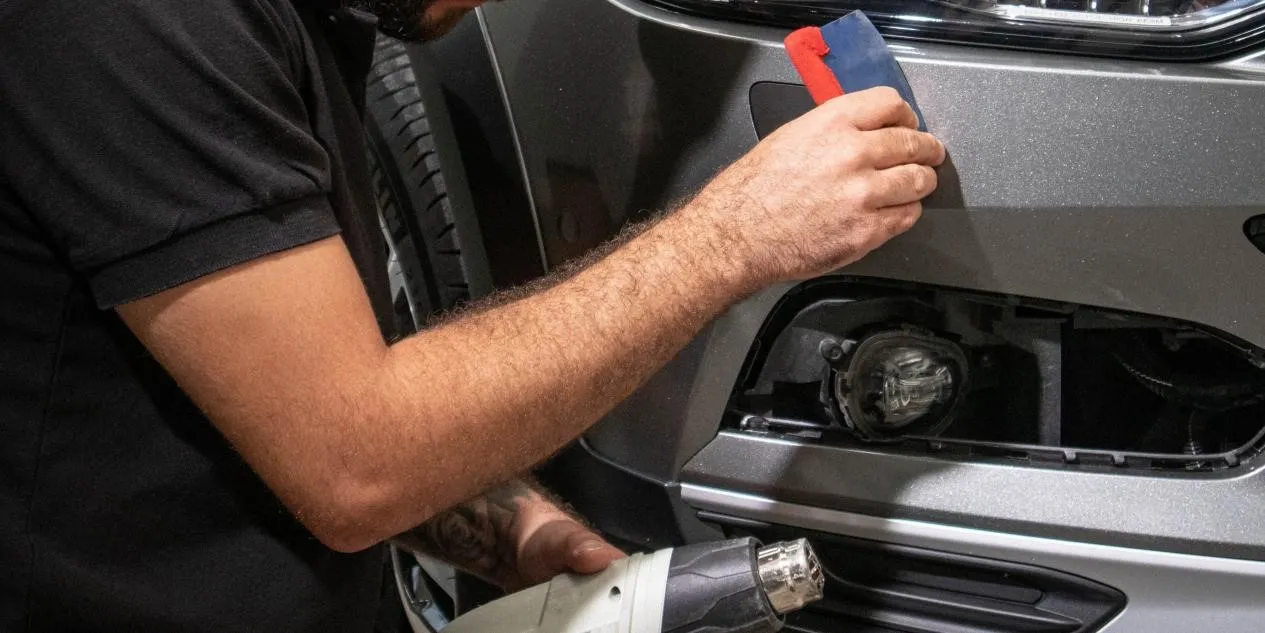
- Warming up the film: Warm up the film using a heat gun or hair dryer until the adhesive melts. Start off at a corner of the film.
- Remove film carefully: Open the film gently with your squeegee as a plastic object. Pull back the film step by step.
- REMOVE ADHESIVE RESIDUE: Remove adhesive residue from the film by wiping it with an adhesive remover until removed.
- Cleaning the Finish: After the protective film and adhesive residue are removed, wash the finish in warm soapy water.
- Drying: Dry the surface of your car using a microfiber cloth or any other clean cloth. Be very careful not to scratch the paintwork if it's your first time doing this!
Step-by-step guide to removing paint protection film:
The process for the removal of paint protection film is very important to help you make sure that the removal is done safely and effectively without causing damage to or injuring your car's paint.
1.Here is a step-by-step complete process:
- Hair dryer or heat gun
- Plastic scraper or plastic pry bar
- Solvent or glue remover (such as alcohol or glue remover)
- Soft cloth or cleaning cloth
- Spray bottle
- Warm soapy water
- Protective gloves
- Neutral detergent or car wash
- Microfiber cloth
2. Cleaning the car surface:
- Cleaning the paintwork: Clean the paintwork surface carefully with warm and soapy water to make the surface dust-free, dirt-free or any other foreign particles free so that it does not scratch the paintwork when it is in use.
- Wipe dry: Dry the surface of the car using a soft cloth or microfiber cloth.
3. HEATING THE PROTECTIVE FILM:
- Warm the protective film with a hair dryer or heat gun: Set the hair dryer or heat gun to low heat and hold it around 5-10 centimeters away from the surface of the film. Heat the protective film gently and evenly, especially the edge side of the film. The heat loosens the adhesive on the film, and it is easy to peel off.
- Watch temperature: do not overheat, high temperature will burn the paintwork. Never hold the welding flame in the same spot too long while heating.
4. Prying off film edges:
- Use a plastic squeegee or pry bar: After the film begins to soften, use a plastic squeegee or pry bar to carefully pry off the edges of the film. Avoid using metal as it might scratch the paint.
- PEEL OFF SLOWLY: Start at the corner of the film and slowly peel off the protective film. If you find resistance, you can heat some areas of the film accordingly.
5. Remove glue residue:
- Apply glue remover: After the film has been peeled off, there may be remaining glue. Spray glue remover (glue remover, alcohol, etc.) onto the glue residue.
- Wipe the glue: Gently wipe using a soft or clean cloth until the glue disappears. In the event of difficult glue, spray the remover again and wait for a few minutes before wiping.
6. Cleaning the car's paint:
- Clean the surface of the car: After removing the glue, wash the car surface once again using warm and soapy water to eliminate any residue from the solvent.
- Checking the Paint Surface: Make sure that the surface of the car is clean and free from glue or solvent residue.
7. Drying and Waxing:Drying and Waxing:
- Dry Wipe: Gently dry the surface of the car with a clean soft cloth or microfiber cloth.
- Waxing for protection: In order to bring back the gloss of the paintwork, using a good car wax for protection on the surface can be done in order not to scratch and maintain the paintwork shiny.
8. Checking the effect:
Lastly, inspect that the paintwork is smooth and ensure that no scratches or damages have been left behind. In case of small scratches, they can be handled by sanding or filling them.
By doing so, you can safely and easily remove the paint protection film and maintain your car's paint in good condition!
Precautions for removing paint protection film:
When removing paint protection film, be sure to follow these to avoid hurting the paint or ruining the bodywork's looks:
1. Don't heat too much:
When using heat with a hair dryer or heat gun, keep the temperature from being too extreme. Extreme heat can destroy the paint or cause the surface of the film to blister. Leave a space of around 5-10 cm between the blower and the film and pass the heat gun slowly.
2. Use the right tool:
Employ a plastic scraper or plastic pry bar when prying off the film at all times, do not employ metal tools, which can scratch the paint too easily.
3. Slowly take off the film:
While tearing the film, ensure to slowly, do not rush to tear the film quickly. If you find out that the film can't be torn off, you can heat the area of the film again until the adhesive softens.
4. Don't over-pull:
While heating the membrane, part of it may have detached, but avoid pulling at it tightly. Pulling hard will make the glue sticky and will even damage the finish.
5. Choose the right glue remover:
Choose a harmless glue remover: Make sure the chosen glue remover is harmless to use with the car paint and do not choose acidic or alkaline chemicals. Alcohol or certain glue removers can be used without any problem.
6. Avoid working in high heat environment:
In case of very hot weather, morning or evening is recommended for the operation because the high temperature condition will make the film more difficult to peel off and may render the paintwork brittle.
7. Take care of the adhesion of the protective film:
If the film has remained on the car paint for long, it could be more sticky and additional caution must be used when peeling it off in order not to remove the paint surface as well.
8. Thoroughly Clean the Paint:
Upon removal of film, make sure to properly clean the paint and remove all residue of adhesives and solvents. Any leftover residue may affect the paint protection layer's effectiveness and even future coating or waxing.
9. Inspection of car paint:
Carefully inspect the car paint: Once you have removed the protective film, inspect the car paint surface for any scratches, bubbles or other damages. If there are any issues, take immediate action to rectify them.
10. Exercise patience:
It takes time, especially after using the film for some time. Be patient and do not rush the process. Better results will be obtained by peeling off the membrane gradually.
11. Steer Clear of Extended Exposure:
If you're to repaint a fresh protective film or coating on the outside of your car, do your best to avoid exposing the paint to direct sunlight for an extended period of time after the protection film has been stripped away so the bare finish would not be destroyed because of the effect of UV light.
With that, safe and effective removal of the paint protection film could be done without having to sacrifice your car's paint finish.

Conclusion:
In brief, paint protection film removal will not only revive shine on the car paint, but also protect the car from future spots and damage that can be caused. With the help of professional steps and guidance given in this article, you can make the whole process safe and successful.
In case you require additional details regarding car paint protection film or any other service, you are welcome to contact Leonardo. We are available to assist you with professional services and advice!


